“Why am I always overstimulated?” You may wonder this after an ordinary workday when the television feels too loud, your phone keeps buzzing, and one more question about dinner seems impossible to answer.
Small interruptions suddenly feel enormous.
You may be experiencing more sensory input and competing demands than you can comfortably manage. The goal is to understand your triggers and make daily life easier.
Feeling overstimulated means sensory information or competing demands have become difficult to manage. Noise, harsh lighting, crowded places, notifications, and stress can all contribute. Sensory overload feels different for everyone. Identifying your triggers, changing your environment, and allowing quieter transitions between activities may help you feel more comfortable.
What Does Being Overstimulated Actually Mean?
Your brain continuously processes sounds, sights, smells, touch, movement, and sensations from your body. Sensory overload can occur when this information feels too intense or difficult to organize.
Imagine answering an email in a Toronto café while music plays, an espresso machine hisses, and several conversations overlap. Together, these ordinary sounds may make concentration difficult.
The NELFT NHS Foundation Trust explains that people differ in sensory sensitivity and that excessive input can cause distress.
Overstimulation is an experience, not a diagnosis. People experience it differently.
What Are the Signs of Overstimulation?
Signs can be subtle, particularly after a demanding day:
- Everyday sounds feel unusually irritating.
- Bright lights, crowds, or strong smells become uncomfortable.
- Following conversations or making decisions feels harder.
- Minor interruptions provoke frustration.
- You feel restless, tense, or emotionally drained.
- You want to withdraw somewhere quiet.
Some people become visibly upset; others go silent. You might enjoy a busy restaurant on a relaxed weekend but struggle with the same noise after work. Notice when the signs appear, rather than judging yourself for experiencing them.
Why Am I Always Overstimulated?
There is rarely one universal cause. Several factors may overlap.
Competing responsibilities
Messages, meetings, commuting, errands, and family decisions all demand attention. By evening, even a small request may feel like too much because you have had little uninterrupted downtime.
Sensory differences
You might dislike fluorescent lighting but enjoy loud music, or tolerate crowds but struggle with fragrances. The Nottinghamshire Healthcare NHS Foundation Trust notes that sensory responses vary and can also be influenced by stress, sleep, and other circumstances.
Breaks that don't feel restful
Scrolling through videos while answering messages may be entertaining, but it still introduces sounds, images, and decisions. A break with fewer demands may suit you better on some days.
Other contributing factors
Sensory sensitivities can occur alongside autism, ADHD, or other conditions, but overstimulation alone does not establish any diagnosis. The frequency, triggers, and impact on everyday life matter more than a label you assign yourself.
How to Cope with Sensory Overload: 7 Practical Strategies
Small adjustments are easier to maintain than elaborate routines. Try one strategy at a time and notice what changes.
1. Reduce environmental stimulation
Focus on physical surroundings: sound, light, smell, or movement. If overhead lighting bothers you, switch to a lamp. If overlapping conversations are difficult, move to a quieter seat. You don't need complete silence or a perfectly controlled room.
Choose the most uncomfortable sensation first. Changing one environmental factor helps you learn what matters, without turning relief into another complicated task.
Try this today: Adjust one sound or light source for ten minutes and notice the difference.
2. Create a transition between work and home
A packed TTC ride or slow Toronto commute may add stimulation rather than provide a break. Going straight from that journey into chores can make the evening feel like a continuation of work.
Give yourself a brief transition: change clothes, drink water, or sit without planning the next task. The point isn't to accomplish anything. It's to leave a little space between sets of demands.
Try this today: Keep the first five minutes after arriving home free of chores and decisions.

3. Set boundaries around digital notifications
Unlike environmental noise, digital interruptions can often be managed through device settings. Decide which messages actually need to reach you immediately, then mute alerts from nonessential apps.
You could keep calls from family accessible while checking group chats or social media at chosen times. This makes availability more intentional without requiring you to abandon your phone.
Try this today: Disable push notifications for one nonessential app until tomorrow.
4. Identify your personal triggers
A brief record can reveal patterns that are easy to overlook. When you feel overwhelmed, note where you are, what's happening, and what makes things easier.
Perhaps grocery shopping immediately after work is consistently exhausting, while the same trip on a quiet morning feels fine. That observation gives you something practical to change. Focus on recurring situations.
Try this today: Write down one recent episode, its likely trigger, and what helped.
5. Choose a calming activity that suits you
Relaxation advice isn't universal. Soft music helps some people; others need silence. Gentle movement feels good to some, while reading quietly works better for others.
Try one comfortable activity without multitasking. Pay attention to how you feel afterward rather than whether the activity looks like a proper wellness routine. An enjoyable break doesn't need to be productive.
Try this today: Spend ten minutes reading, walking gently, stretching, or sitting quietly, whichever feels best.
6. Leave breathing room in your schedule
As holiday plans build in November and December, social invitations, shopping, and deadlines may compete for the same evenings. Even enjoyable activities can become tiring when packed too closely together.
Choose which commitments matter most and leave space between them. Spreading errands across several days may be more manageable than completing everything in one crowded afternoon. Our holiday stress survival guide offers related seasonal ideas.
Try this today: Protect one unscheduled hour on your calendar this week.
7. Explain what you need before you're overwhelmed
People around you may not notice the same triggers. A specific, polite request is usually easier to understand than saying everything feels unbearable.
Try: “Could we turn the television down while we talk?” Or: “I'd love to join you, but I need a few quiet minutes first.” These sentences explain a practical need without blaming anyone.
Try this today: Choose one sentence you can use the next time you need a quieter environment.
What If You Feel Overstimulated in Public?
You can't always control busy airports, shopping centres, or public transportation. Instead, focus on what you can change.
Step outside for a brief break, find a less crowded waiting area, or give yourself extra time between activities.
The goal isn't to eliminate every sensation. It's to make overwhelming situations easier to navigate.
When Should You Seek Additional Support?
Occasional discomfort in busy environments is different from ongoing distress that disrupts daily life. Consider speaking with a qualified healthcare professional if sensory difficulties persist, worsen, or interfere with work, relationships, sleep, or essential tasks.
A professional can explore possible contributing factors and appropriate support. Personal comfort strategies are useful options, not substitutes for assessment when symptoms have a significant impact.
Frequently Asked Questions About Overstimulation
Why do I get overstimulated so easily?
You may have particular sensory sensitivities or be managing several demands at once. Busy environments, stress, and insufficient rest can affect how comfortable everyday input feels. Look for patterns rather than assuming one cause. If episodes frequently disrupt your routine, a qualified healthcare professional can help you explore what may be contributing.
Can sensory overload happen at home?
Yes. Familiar surroundings can still include television noise, appliances, conversations, bright lighting, and notifications. After a demanding day, even ordinary household sounds may feel uncomfortable. Try adjusting one element, such as the lighting or background noise, and identify a comfortable place where you can take a short break when needed.
How long does sensory overload last?
There is no standard duration. Some people feel more comfortable soon after leaving a busy environment, while others need longer to settle. The experience varies with the person, situation, and triggers. If symptoms are persistent, worsening, or seriously affecting everyday activities, seek professional guidance instead of assuming they will resolve on their own.
Is overstimulation the same as anxiety?
Not necessarily. Sensory overload involves difficulty managing sensory input; anxiety commonly involves fear, apprehension, or worry. They can overlap, and an uncomfortable environment may contribute to anxious feelings. Neither experience automatically establishes a diagnosis. If distress is frequent or interferes with your life, consider discussing it with a qualified professional.
Can I prevent myself from becoming overstimulated?
You may not be able to prevent every episode, especially in unpredictable environments. Recognizing triggers, scheduling breathing room, modifying uncomfortable surroundings, and making clear requests may reduce some difficult situations. Aim for flexibility rather than strict avoidance. Over time, notice which adjustments genuinely make daily activities easier for you.
Finding a More Comfortable Balance
If you keep wondering, “Why am I always overstimulated?”, focus on patterns rather than searching for one simple explanation. A few thoughtful adjustments may make everyday demands easier to handle.
If you enjoy relaxation-focused bodywork, an at-home massage may be one optional personal comfort activity.
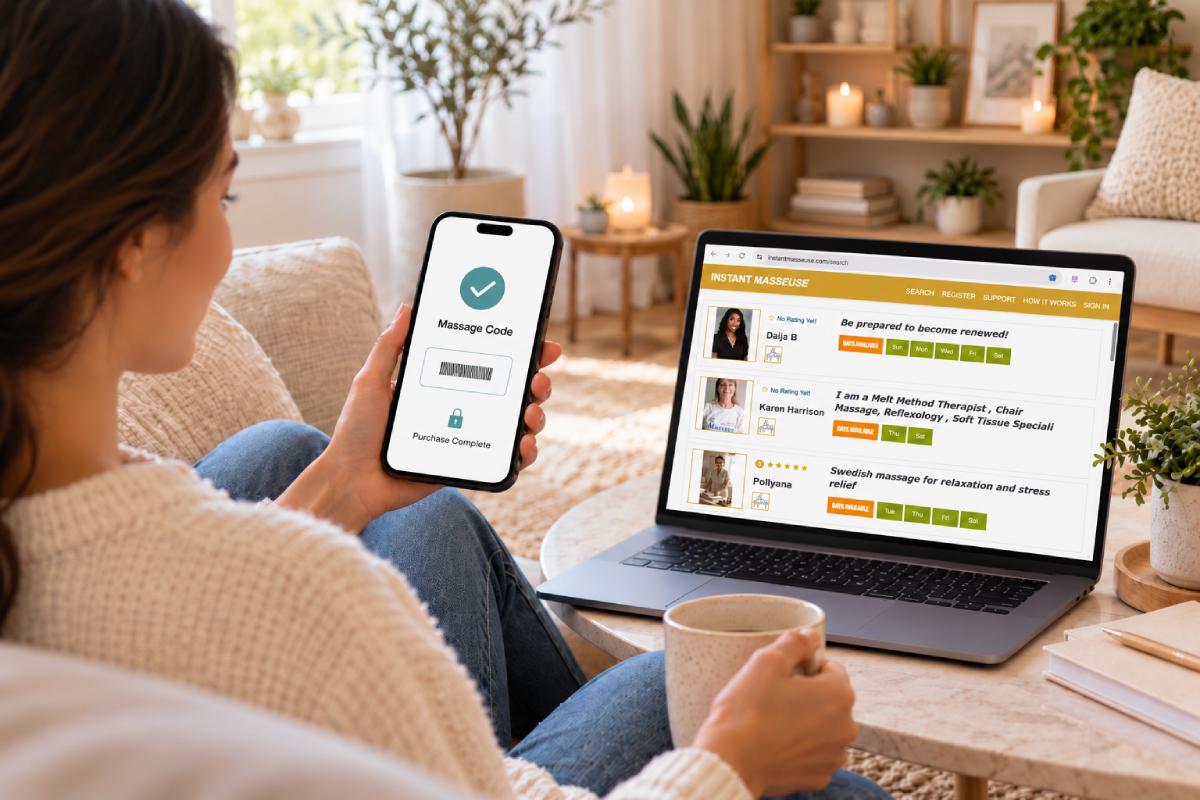
For Toronto and GTA residents who prefer not to travel to another appointment, Instant Masseuse is a massage booking platform that connects customers with independent massage providers offering at-home non-RMT relaxation services, subject to provider availability.
Call or text (647) 249-0392 or visit instantmasseuse.com to book.