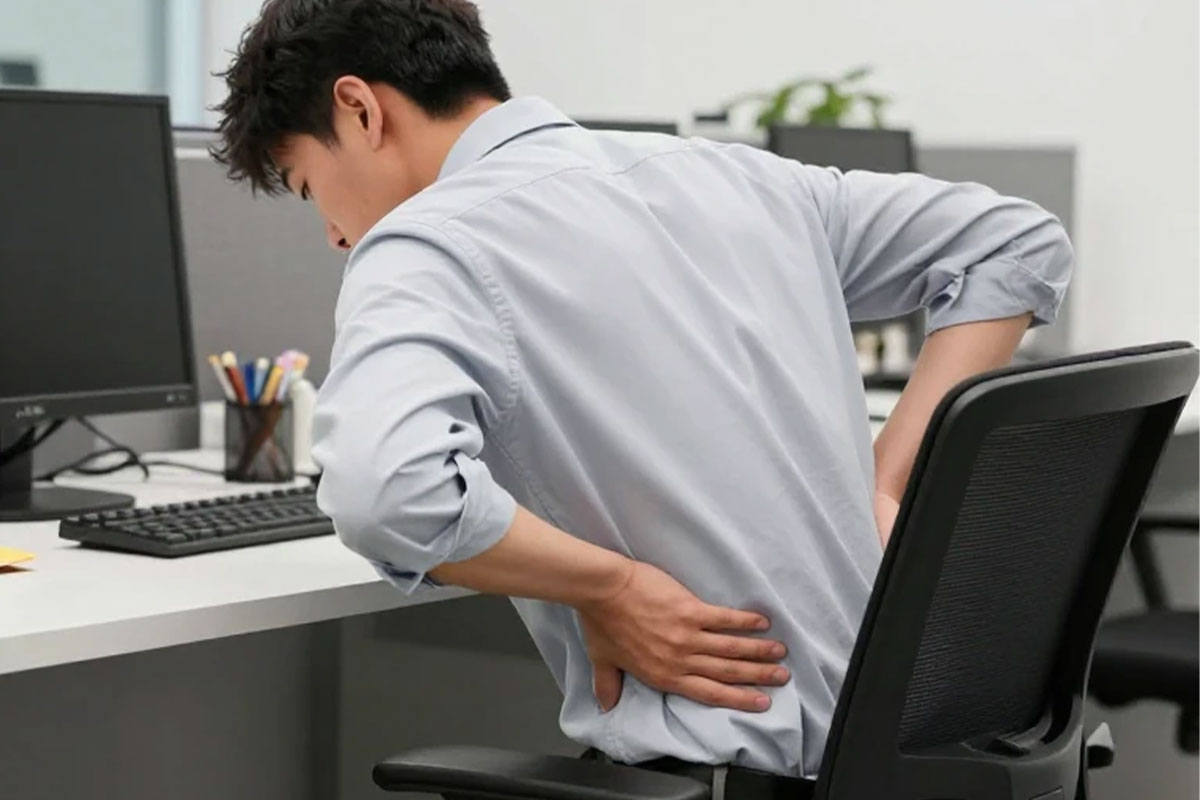
Chronic pain is something millions of people live with every day. It might show up as tight shoulders after long hours at a desk, an aching lower back that never fully relaxes, or persistent neck tension that seems to return no matter how many stretches you try.
Unlike short-term discomfort from a workout or a minor injury, chronic pain can linger for months or even years. It can affect sleep, mood, concentration, and overall quality of life.
Because of this, many people begin exploring different wellness practices that may help them feel more comfortable in their bodies. One approach that has gained attention is massage.
Massage is often associated with relaxation, but its connection to ongoing pain is deeper than many people realize. Gentle pressure, movement of soft tissues, and focused touch may influence how muscles feel, how the body responds to stress, and how people experience tension in everyday life.
In this article, we explore the hidden link between massage and chronic pain relief, and why many people include it as part of their long-term wellness routines.
Table of Contents
- Key Takeaways
- What Chronic Pain Really Feels Like
- Why Many People Turn to Massage
- How Massage Affects Muscles and Tension
- The Role of Stress in Ongoing Pain
- Why Gentle Touch Can Calm the Nervous System
- Types of Pain People Often Try Massage For
- What Happens During a Massage Session
- Why Consistency Matters More Than Intensity
- When Massage May Be Part of a Wellness Routine
- Summary
- FAQ
Key Takeaways
- Chronic pain often involves muscle tension and stress patterns.
- Massage focuses on soft tissues such as muscles and connective tissue.
- Gentle pressure may help encourage relaxation and circulation.
- Many people report feeling calmer and less tense after massage.
- Consistency and overall wellness habits often matter more than intensity.
- Massage is commonly used as part of a broader self-care routine.
What Chronic Pain Really Feels Like
Chronic pain does not always mean intense pain. In many cases, it feels more like a constant background discomfort that never fully goes away.
People often describe it as:
- Tightness that returns every morning
- Muscles that feel stiff or heavy
- A dull ache in the back or neck
- Tension headaches that come and go
- Pain that increases after sitting too long
Over time, this kind of ongoing discomfort can affect posture, sleep quality, and even stress levels.
When the body stays tense for long periods, muscles may remain contracted, circulation can slow down, and movement may feel restricted. That is why many people begin looking for ways to relax their muscles and reset their bodies.
Why Many People Turn to Massage
Massage has been practiced in many cultures for thousands of years. While techniques vary, the basic idea is simple: applying pressure and movement to the body's soft tissues.
People often seek massage because it may help them feel:
- More relaxed
- Less tense
- More mobile
- Physically lighter
The goal is not to "fix" the body in a medical sense, but to help reduce tension patterns that may contribute to discomfort.
For many people, massage becomes a way to create regular moments of physical relief in otherwise busy and stressful lives.
How Massage Affects Muscles and Tension
When muscles stay tight for long periods, they can feel stiff and sensitive. Massage techniques often involve slow pressure, kneading, and stretching movements that interact with muscle tissue.
This process may help:
- Encourage muscles to relax
- Increase local blood circulation
- Reduce tightness in overworked areas
- Improve the feeling of mobility
When circulation improves, oxygen and nutrients move through tissues more easily. Many people report that this leaves their muscles feeling looser and less fatigued.
It is one reason massage is commonly used after physical activity, long workdays, or prolonged sitting.
The Role of Stress in Ongoing Pain
One important factor that is often overlooked is stress.
When the body experiences stress, it can trigger a natural "fight or flight" response. Muscles tighten, breathing becomes shallow, and the nervous system remains alert.
If stress continues for weeks or months, the body may stay in this heightened state. This can lead to tension in common areas such as:
- The neck
- The shoulders
- The jaw
- The lower back
Massage may help interrupt this cycle by creating a moment where the body can relax.
Slow, rhythmic pressure combined with a calm environment may encourage the nervous system to shift away from a constant stress response.
Why Gentle Touch Can Calm the Nervous System
The human body responds strongly to touch. Safe, intentional touch can influence how the nervous system reacts to tension.
Massage may stimulate sensory receptors in the skin and muscles that communicate with the brain. These signals may encourage the body to release relaxation-related chemicals.
Many people notice that after a massage they feel:
- Calmer
- Less mentally overwhelmed
- More physically relaxed
While the experience may feel simple, the body's response to touch can be surprisingly powerful.
Types of Pain People Often Try Massage For
People explore massage for many different types of discomfort. Some of the most common include:
Back Tension
Long hours of sitting or standing may cause tight muscles in the lower or upper back.
Neck and Shoulder Stiffness
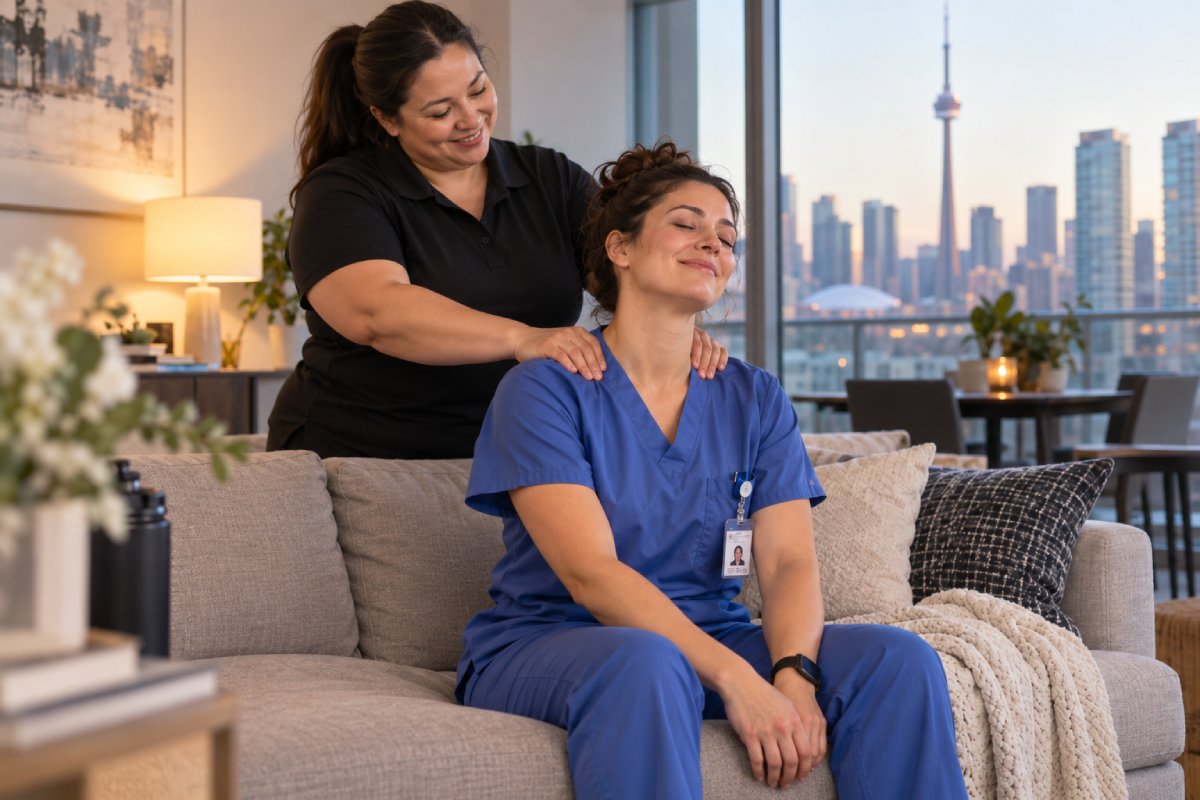
Computer work and phone use often lead to tight shoulders and neck strain.
Stress-Related Tension
When stress builds up in the body, muscles may remain tense even when you are resting.
Muscle Fatigue
After physical activity or repetitive movement, muscles may feel heavy or sore.
Massage is often used as part of a broader wellness routine that includes stretching, movement, hydration, and rest.
If any of these tension patterns sound familiar, you’re not alone. Many people start feeling better after adding regular massage to their wellness routine.
If you’d like to experience it for yourself, feel free to contact us to book a relaxing session.
What Happens During a Massage Session
For people who have never tried massage before, the experience can feel unfamiliar.
A typical session often includes:
- A short conversation about areas of tension
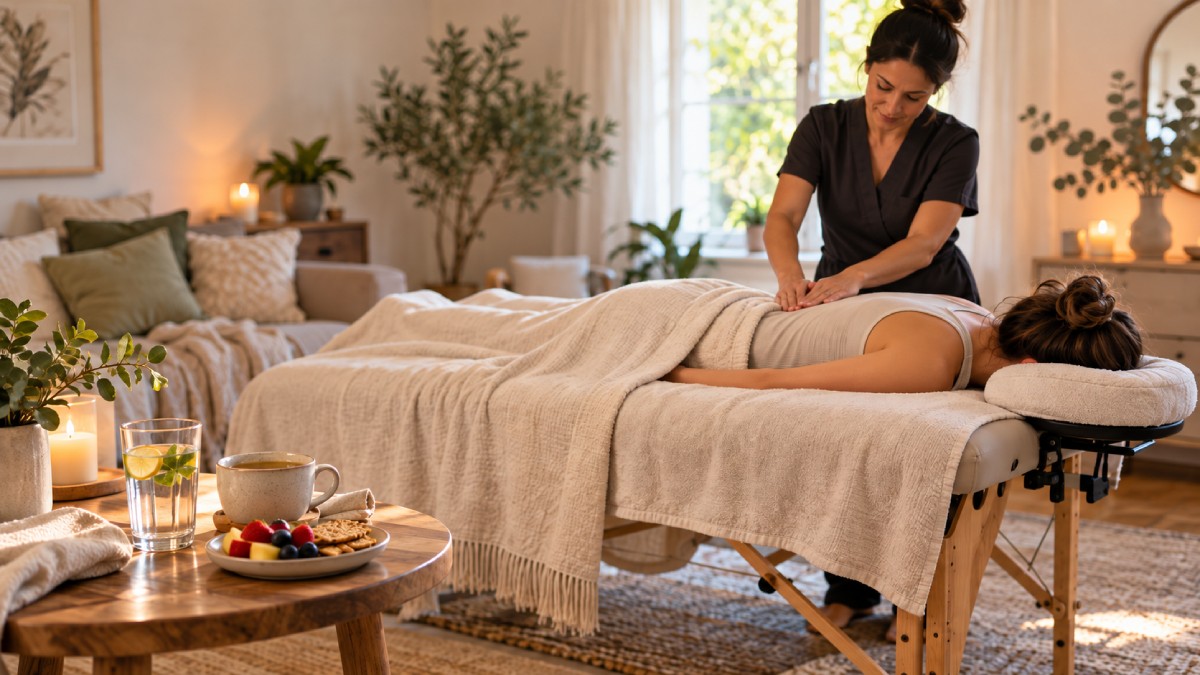
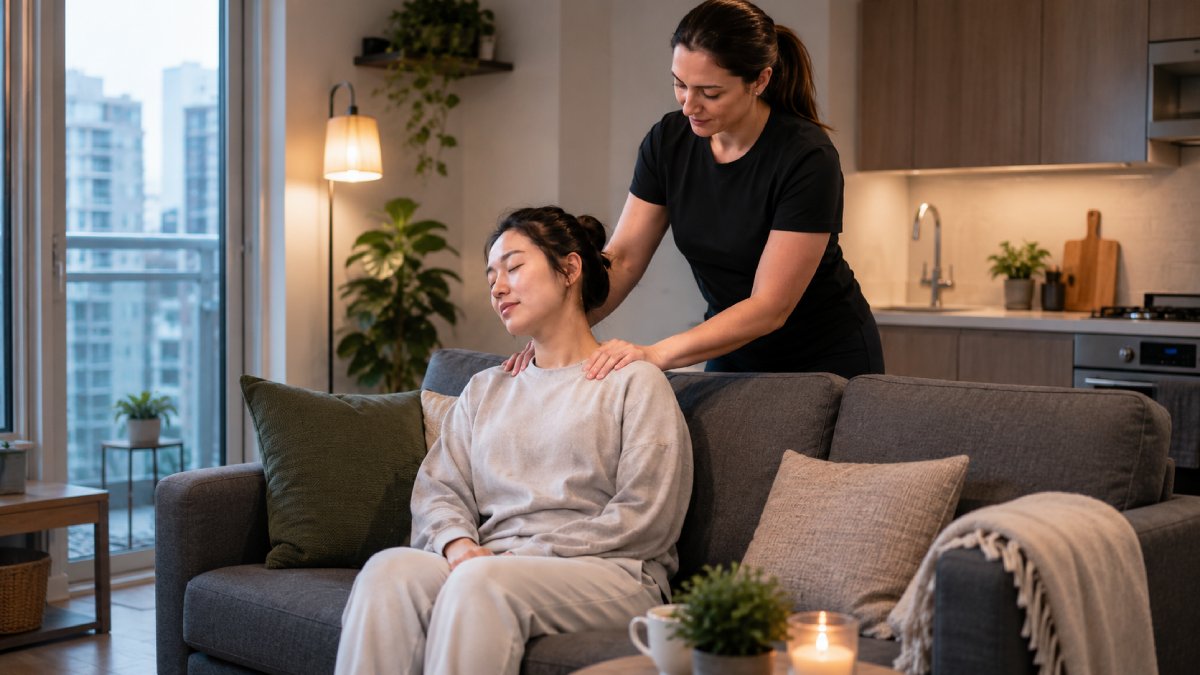
- A calm and quiet environment
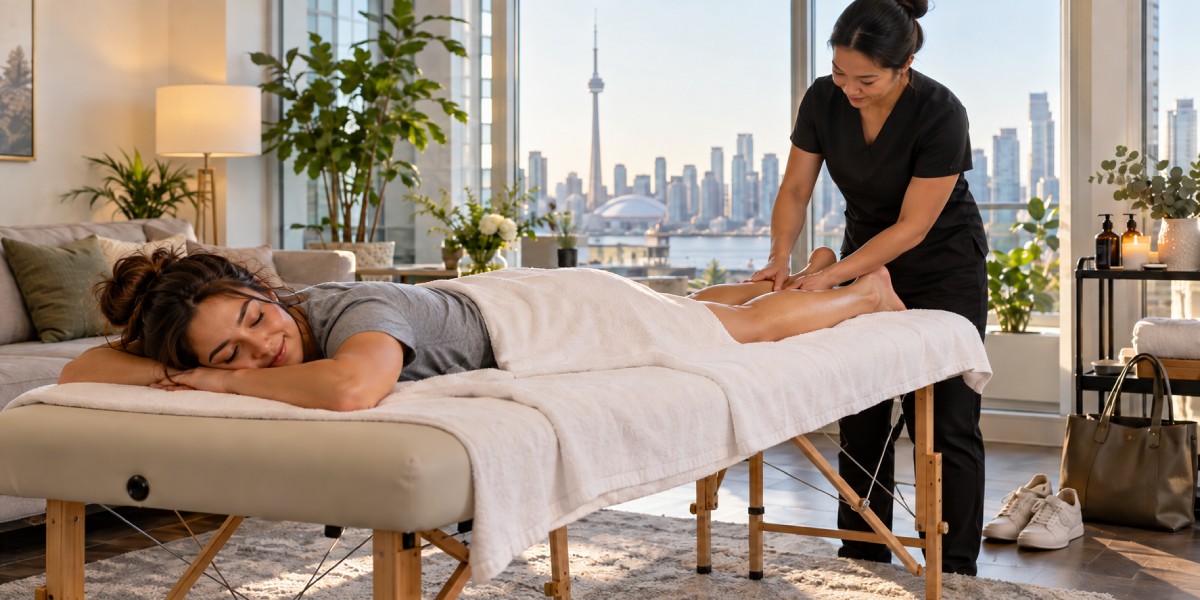
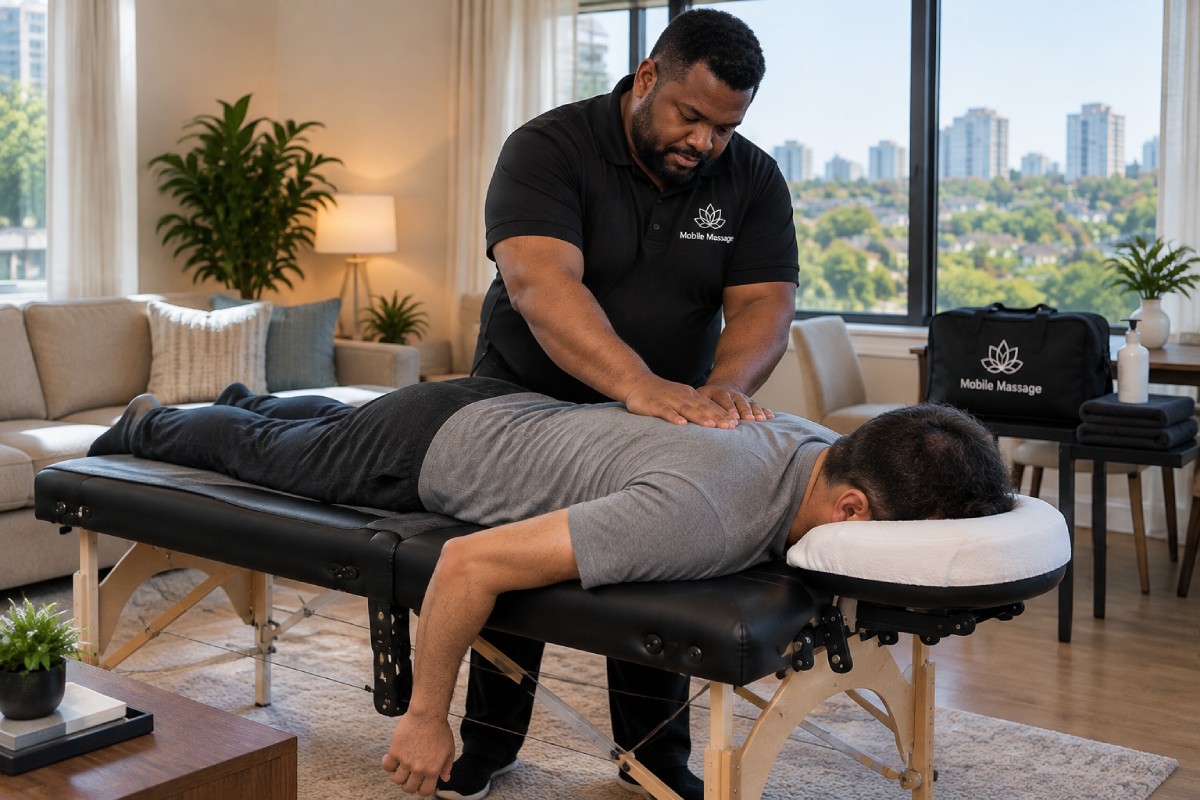
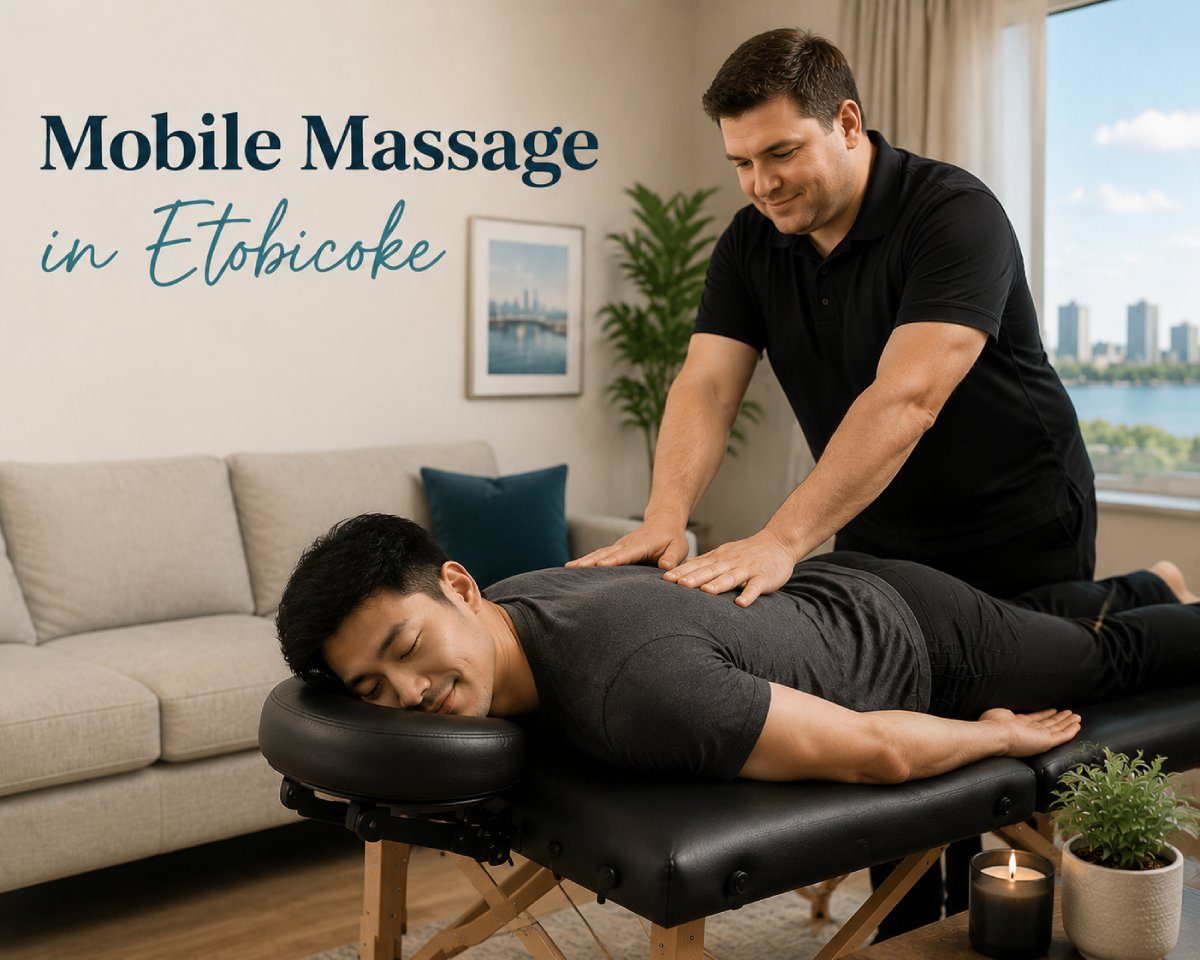
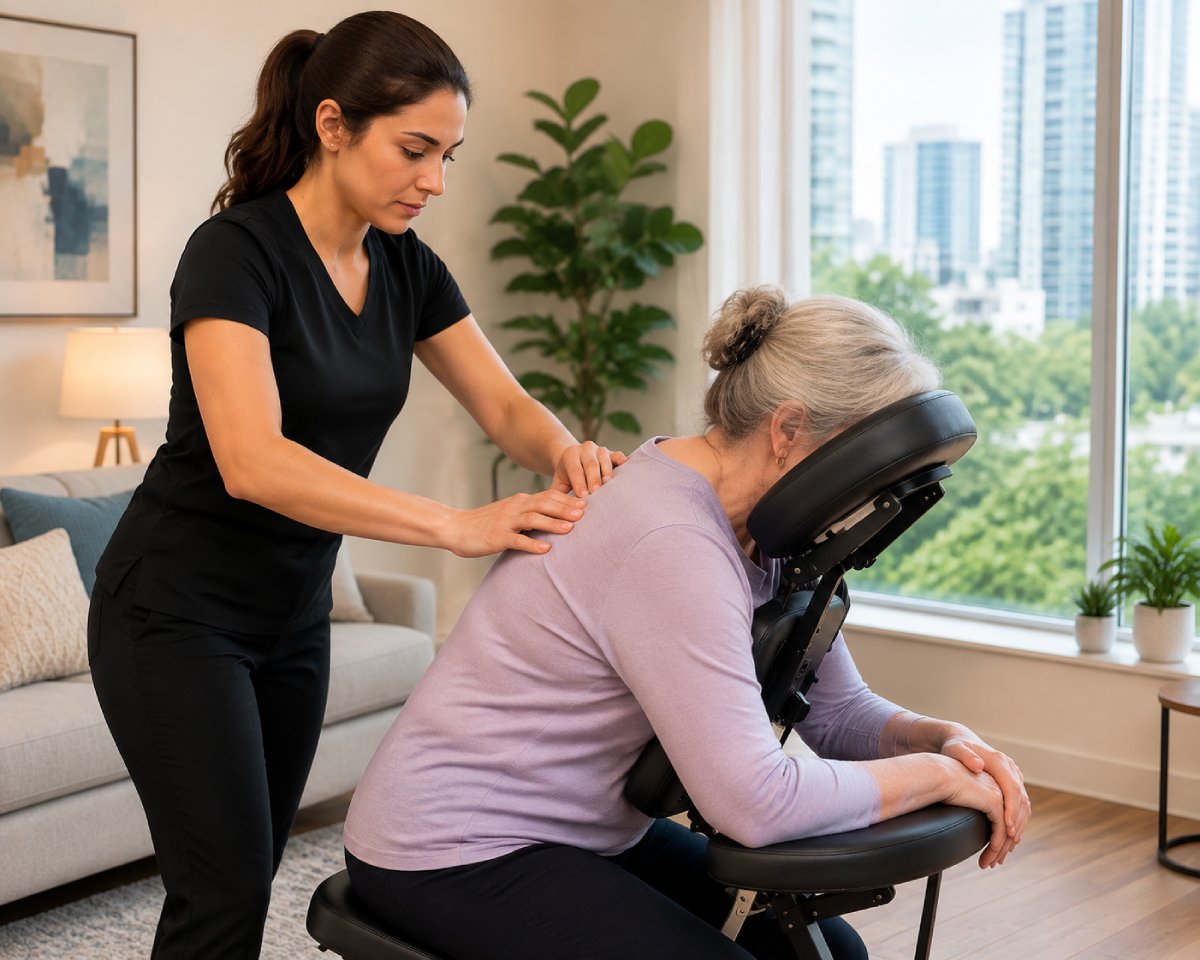
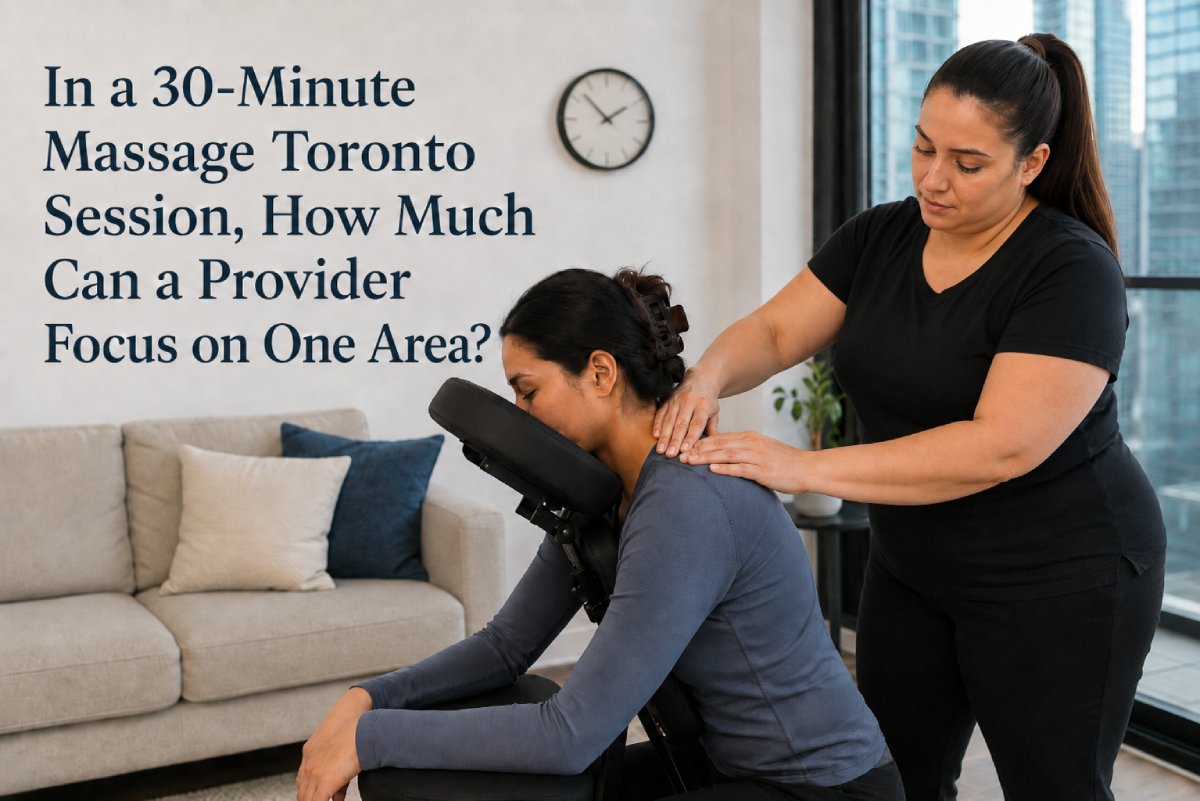
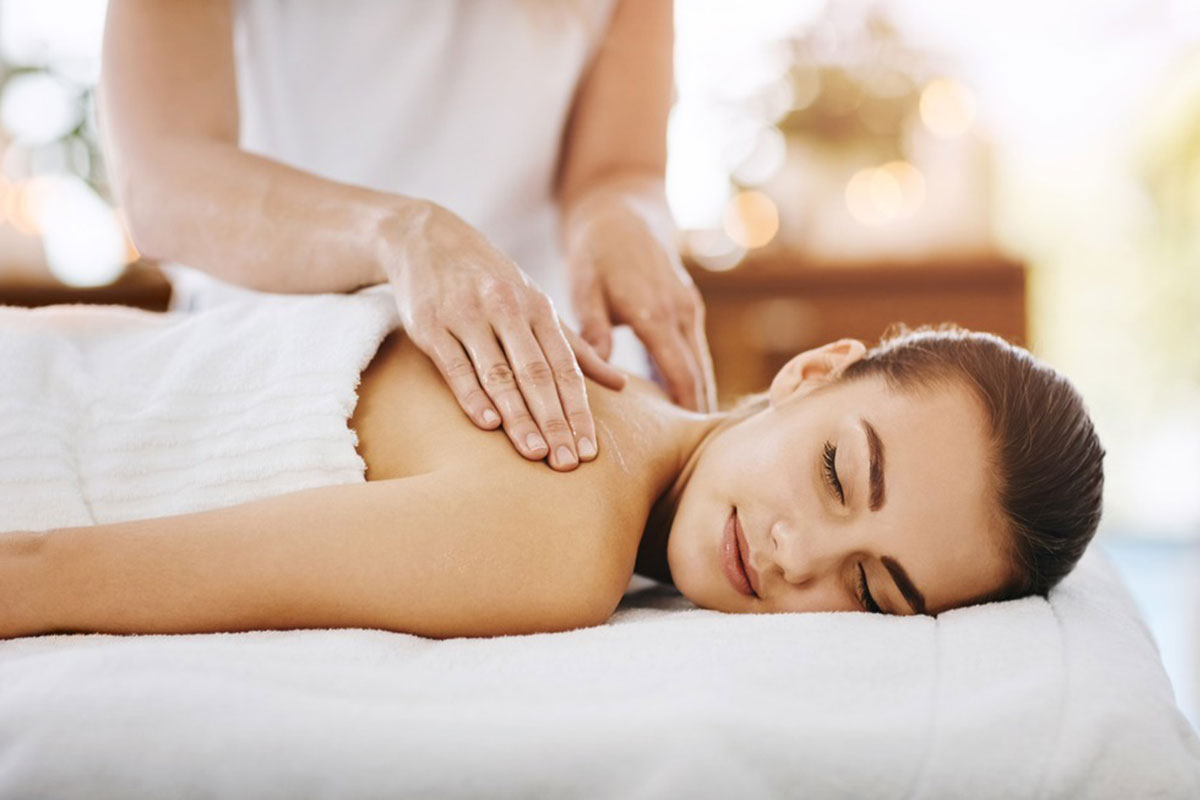
- Gentle pressure applied to muscles and soft tissues
- Slow movements designed to encourage relaxation
The pressure used during massage can vary depending on preference and comfort level.
Some people prefer light pressure for relaxation, while others may choose deeper pressure for tight muscles.
The goal is always comfort and relaxation rather than discomfort.
Why Consistency Matters More Than Intensity
One common misunderstanding is that stronger pressure always means better results.
In reality, consistency often matters more than intensity.
Regular sessions may allow muscles to gradually release tension patterns that have built up over time.
Many people find that a steady routine helps their body maintain a relaxed state rather than waiting until discomfort becomes severe.
Even occasional massage sessions can help create moments of reset for the body.
When Massage May Be Part of a Wellness Routine
Massage is rarely used in isolation.
Many people combine it with other wellness habits such as:
- Stretching or yoga
- Regular walking or movement
- Proper workstation posture
- Relaxation techniques
- Adequate sleep
Together, these habits support a balanced approach to physical comfort and stress management.
Massage becomes one piece of a larger wellness puzzle.
Summary
Chronic pain can affect how people move, sleep, and experience daily life. While it may not always have a single cause, muscle tension, stress, and lifestyle habits often play a role.
Massage offers a simple but meaningful way to help the body relax. Through gentle pressure and focused attention on muscles, it may help reduce tension and support a sense of physical comfort.
For many people, massage becomes less about occasional luxury and more about maintaining balance in the body.
When combined with healthy habits such as movement, stretching, and stress management, massage may help people feel more at ease in their everyday lives.
FAQ
Can massage help with chronic pain?
Many people report that massage helps them feel less tense and more relaxed. It may reduce muscle tightness and support general comfort as part of a wellness routine.
How often should someone get a massage for ongoing tension?
Some people schedule sessions every few weeks, while others go monthly. The right frequency often depends on lifestyle, stress levels, and personal preference.
Does massage remove chronic pain permanently?
Massage is usually viewed as a supportive wellness practice rather than a permanent solution. It may help manage tension and improve comfort.
Is massage only for relaxation?
While relaxation is a major benefit, massage is also commonly used to address muscle tightness, stress-related tension, and physical fatigue.
What type of massage is best for tension?
Different styles exist, but many people start with general relaxation or therapeutic massage focused on tight areas.
Can massage help with stress-related pain?
Stress can cause muscles to tighten. Massage may help the body relax and shift away from that constant tension response.
Is massage safe for most people?
Most people can enjoy massage comfortably, but individuals with certain health conditions often consult a healthcare professional before starting new wellness practices.
About Instant Masseuse
Instant Masseuse is a Toronto-based mobile massage service that brings professional massage directly to your home. Our experienced massage therapists focus on creating a relaxing and comfortable experience in the privacy of your own space. Instead of traveling across the city, you can enjoy a professional massage where you feel most at ease. If you have been searching for a mobile massage near me in Toronto, InstantMasseuse offers a simple and convenient way to relax without leaving your home.