You already know that massage feels good.
But here’s a better question:
What if that relaxed feeling is doing more than you think?
Massage therapy may support three powerful systems in your body:
- Sleep quality
- Immune balance
- Mental well-being
These systems are deeply connected. When one improves, the others often follow.
When you sleep better, your immune system works more efficiently.
When stress levels drop, your mood stabilizes.
When your muscles relax, your nervous system shifts.
Massage therapy is not positioned as medical treatment. Instead, it’s a wellness practice that may help your body regulate stress, improve relaxation, and support natural balance.
Let’s break it down in simple, real-world terms.
Table of Contents
- Key Takeaways
- How Massage Therapy Supports Better Sleep
- How the Nervous System Controls Sleep and Recovery
- How Massage May Help Support the Immune System
- The Connection Between Massage and Mental Health
- Why Stress Is the Common Link Between Sleep, Immunity, and Mood
- Who Benefits Most from Massage Therapy?
- What the Research Suggests
- How Often Should You Get a Massage?
- Summary
- FAQs
Key Takeaways
- Massage therapy may support better sleep by calming the nervous system.
- Lower stress levels may indirectly support immune balance.
- Massage may encourage mood stability through relaxation.
- Stress is the central link between sleep, immunity, and mental health.
- Massage is a wellness practice, not medical treatment.
- Consistency may enhance long-term benefits.
How Massage Therapy Supports Better Sleep
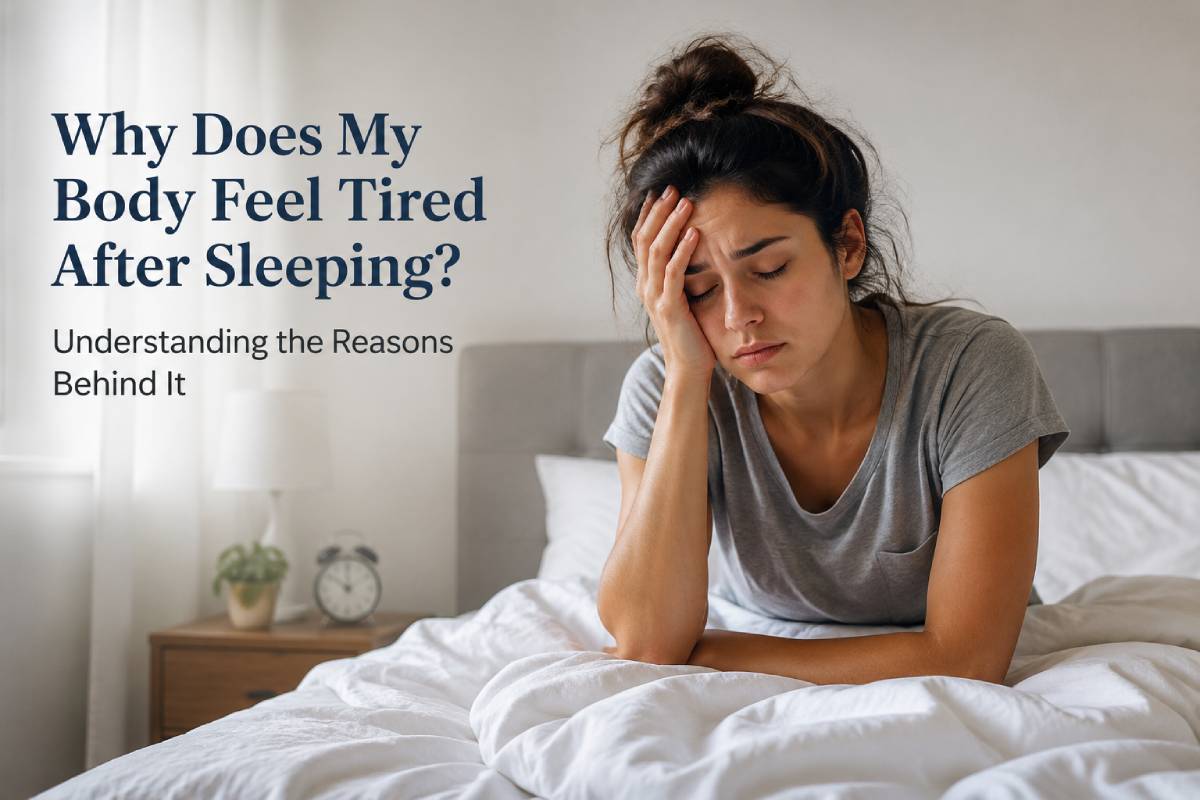
If you struggle to fall asleep, stay asleep, or wake up feeling exhausted, stress may be part of the reason.
When you're stressed, your body produces higher levels of cortisol - often called the stress hormone. Elevated cortisol makes it harder to wind down at night.
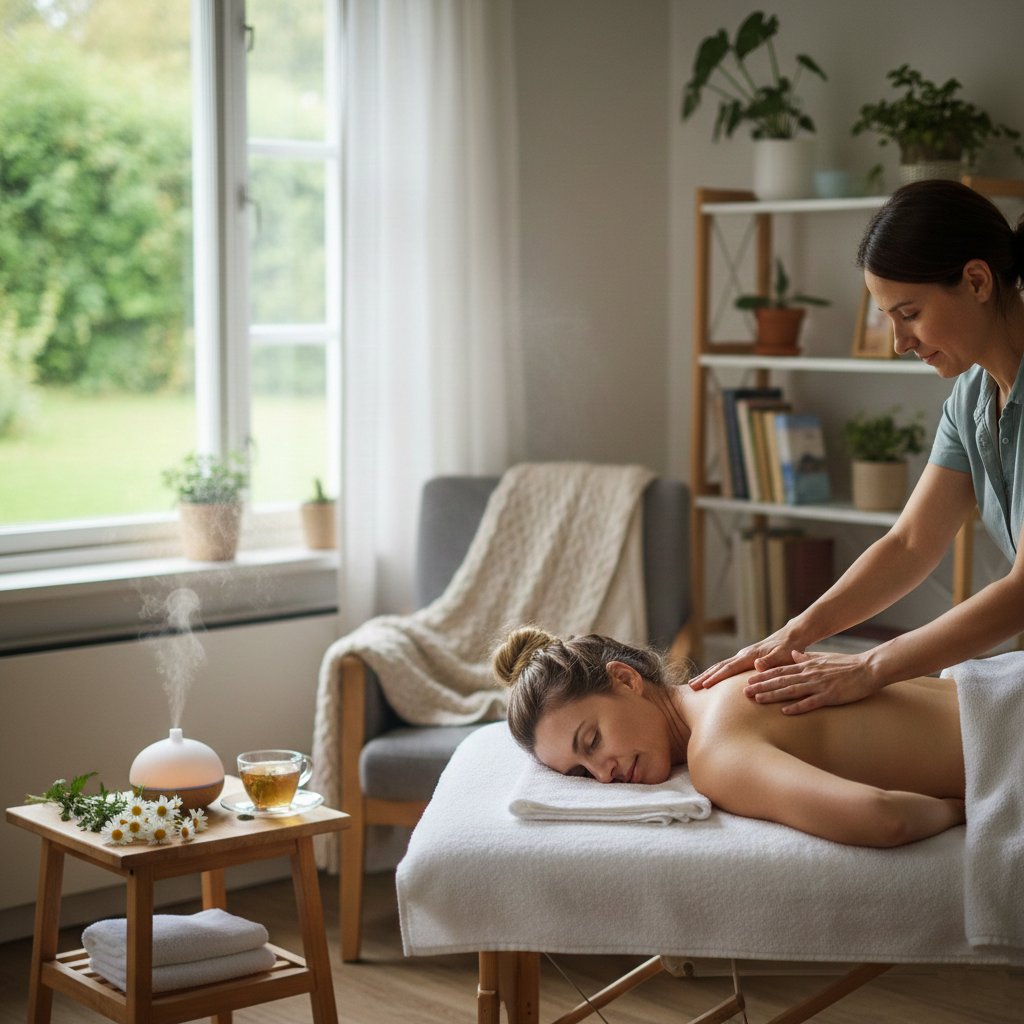
Massage therapy encourages:
- Muscle relaxation
- Slower breathing
- Reduced physical tension
- A calmer nervous system
When your body shifts from “fight or flight” into “rest and digest,” sleep becomes easier.
Many people report:
- Falling asleep faster
- Sleeping more deeply
- Waking up less during the night
- Feeling more refreshed in the morning
This may happen because massage helps regulate the nervous system and may support melatonin production, the hormone that controls sleep cycles.
Simple explanation:
When your body feels safe, it sleeps better.
How the Nervous System Controls Everything
This is where things get interesting.
Your nervous system has two primary modes:
- Sympathetic (fight or flight)
- Parasympathetic (rest and digest)
Most people today live heavily in sympathetic mode. Deadlines, notifications, traffic, constant stimulation.
Massage acts as a signal to the body that it’s safe to relax.
When the parasympathetic system activates:
- Heart rate slows
- Breathing deepens
- Muscles release
- Digestion improves
- Sleep readiness increases
And once the nervous system shifts, everything else — immunity and mood included — starts to rebalance.
How Massage May Help Support the Immune System
Your immune system works best when your body isn’t constantly stressed.
Chronic stress may:
- Increase inflammation
- Disrupt sleep
- Suppress immune response
- Slow recovery
Massage therapy may support immune wellness in three ways:
- Supporting Circulation
Massage increases blood flow. Better circulation helps transport oxygen and nutrients throughout the body.
- Encouraging Lymphatic Flow
The lymphatic system helps remove waste and supports immune response. Gentle massage techniques may encourage lymph movement.
- Lowering Stress Hormones
High cortisol levels can interfere with immune balance. Reducing stress may indirectly support immune resilience.
It’s important to clarify:
Massage is not a cure or medical treatment. But as part of a balanced lifestyle, it may support overall immune health.
The Connection Between Massage and Mental Health
Your body and mind constantly influence each other.
When your shoulders are tight, your jaw is clenched, and your breathing is shallow, your brain interprets that as stress.
Massage interrupts that pattern.
People often describe feeling:
- Calmer
- Mentally clearer
- Less overwhelmed
- More emotionally balanced
Massage may encourage the release of serotonin and dopamine — neurotransmitters associated with mood regulation.
A Real-Life Example
Imagine walking into a session mentally cluttered.
Emails. Deadlines. Conversations replaying in your head.
Ninety minutes later, you leave feeling lighter.
Nothing in your external life changed.
But your nervous system did.
Why Stress Is the Common Link
Sleep, immunity, and mental health all connect through one major factor: stress.
Stress affects:
- Sleep cycles
- Immune function
- Mood stability
- Muscle tension
- Digestion
- Energy levels
Massage therapy works primarily by reducing stress.
When stress decreases:
- Sleep improves
- Immune function stabilizes
- Emotional balance becomes easier
Think of massage as helping your body reset.
Ready to Support Your Body Differently?
Better sleep.
Clearer thinking.
Less internal tension.
If stress has been running the show lately, it may be time to interrupt the pattern.
Book a session when you’re ready - not because something is wrong, but because balance matters.
Who Benefits Most from Massage Therapy?
Massage may be particularly helpful for people who:
- Experience high stress
- Have trouble sleeping
- Sit at desks for long hours
- Feel mentally overloaded
- Are in high-demand work seasons
- Want non-medication stress support
Even people who feel “fine” often realize how tense they were only after relaxing.
What the Research Suggests
Research exploring massage and wellness often suggests that massage may help:
- Reduce cortisol levels
- Improve sleep quality
- Support relaxation
- Enhance mood
- Influence immune markers associated with balance
While research continues to evolve, one consistent finding remains:
People frequently report improved relaxation and better sleep after regular sessions.
It’s not magic.
It’s nervous system regulation.
And nervous system health influences everything else.
How Often Should You Get a Massage?
There is no universal rule. It depends on your lifestyle and stress level.
Some people choose:
- Once a month for maintenance
- Every two weeks during stressful periods
- Weekly during high-demand seasons
Consistency matters more than intensity.
One massage feels good.
Regular massage may create longer-lasting nervous system balance.
Summary
Massage therapy does more than relax muscles.
It may support:
- Better sleep
- Immune balance
- Mental clarity
- Reduced stress
When your body relaxes, your nervous system regulates.
When your nervous system regulates, your sleep improves.
When sleep improves, immune function becomes more stable.
Everything is connected.
Massage therapy isn’t about fixing something broken.
It’s about supporting balance in a world that constantly pushes you into stress.
And sometimes, the most powerful wellness habits are the simplest ones.
FAQs
- Can massage therapy really improve sleep?
Massage therapy may support better sleep by promoting relaxation and lowering stress levels. Many people report falling asleep faster and sleeping more deeply.
- Does massage boost the immune system?
Massage does not cure illness. However, by helping reduce stress and support circulation, it may contribute to overall immune balance.
- Is massage good for anxiety or mental stress?
Massage may help reduce physical tension and calm the nervous system, which can support emotional balance.
- How long do the benefits of massage last?
Many people feel relaxed for several days. With consistent sessions, the effects may last longer.
- How often should someone get a massage?
For general wellness support, many choose once or twice per month. Frequency depends on lifestyle and stress level.
- Is massage therapy considered medical treatment?
Massage therapy is generally positioned as a wellness practice focused on relaxation and stress support, not a substitute for medical care.
Why Instant Masseuse?
At Instant Masseuse, the goal isn’t simply to book appointments. It’s to help you understand how massage can support your body and mind in practical, sustainable ways.
Whether you’re navigating stress, looking to improve recovery, or building a more intentional wellness routine, access to mobile, on-demand massage removes the usual barriers. No extra travel. No added scheduling stress. Just care that fits into real life.
If you’re exploring how massage might support your routine - or you simply want to ask questions before deciding - we’re always open to a conversation. Because the right choice is the one that genuinely works for you.